


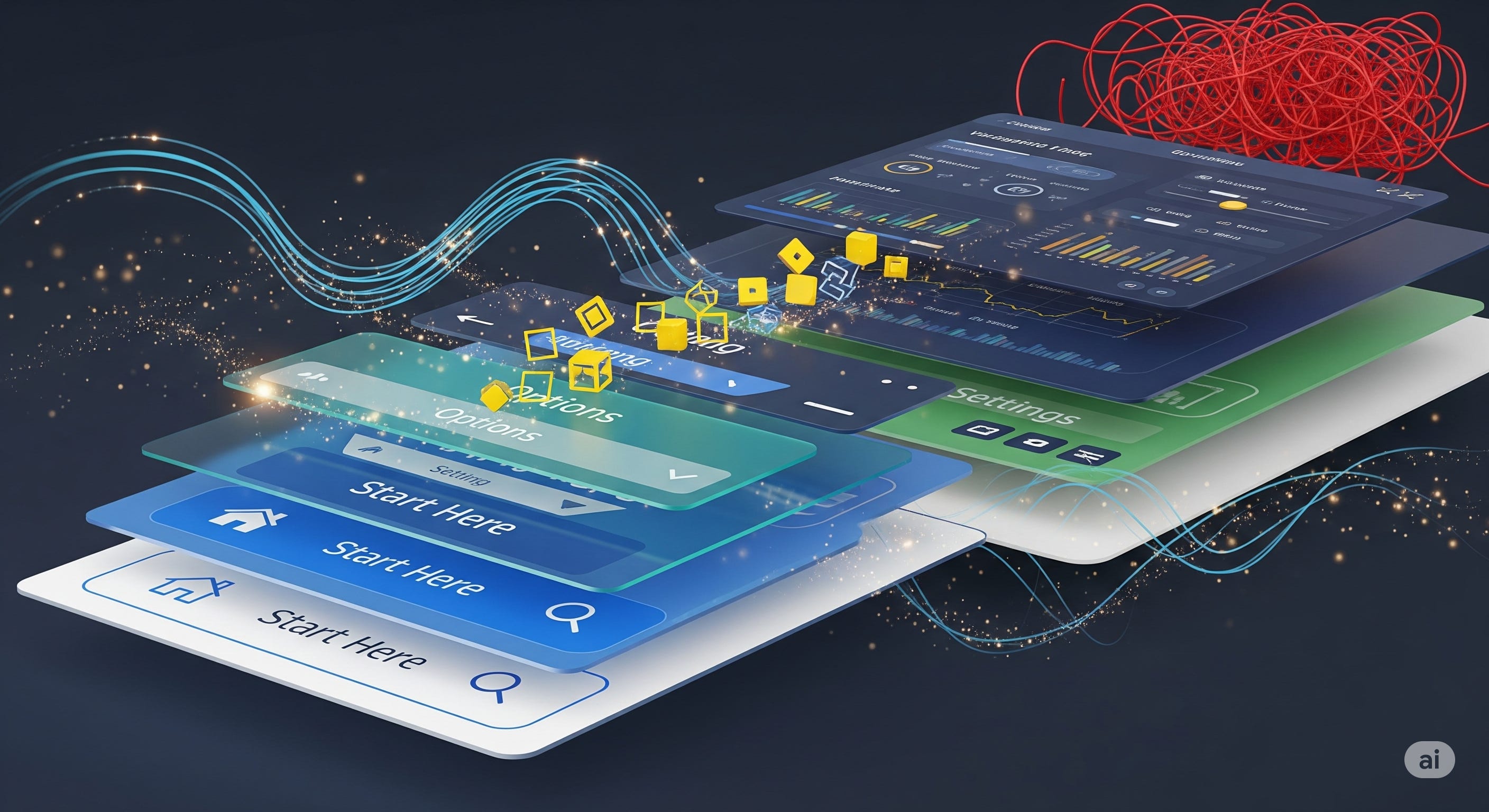
A comprehensive framework for embedded learning in enterprise environments
The Training Paradox
The Manufacturing Floor Reality
Picture this: A large automotive parts manufacturer spends $180,000 implementing new quality control software across three production lines. They invest another $45,000 in comprehensive training: three-day classroom sessions, detailed manuals, hands-on practice, and certification tests. Six months later, line supervisors are still calling IT for basic reporting functions, and quality inspectors avoid using advanced measurement features that could prevent defects.
The problem wasn't the training but rather the assumption that classroom learning would transfer seamlessly to a noisy factory floor where workers face production quotas, time pressure, and the cognitive load of making split-second quality decisions while machines hum around them.
The Restaurant Chain Rollout
Meanwhile, a national restaurant chain with 800 locations deployed a new point-of-sale system. Their training reality: a 30-minute video during employee orientation, followed by "figure it out during the dinner rush." The result? Average transaction times doubled during peak hours, customer complaints spiked, and stressed employees avoided advanced features entirely, missing upselling opportunities worth millions annually.
The hidden cost wasn't just immediate productivity loss but rather the creation of "training debt" that compounded as new employees learned workarounds from existing staff rather than proper procedures.
The Half-Trained Reality
Most enterprise environments fall somewhere between these extremes. The food service industry averages 70% annual turnover, creating constant skill gaps. Manufacturing operates across multiple shifts and languages, making consistent training logistics nearly impossible. Retail workers must master complex systems while serving impatient customers during holiday rushes.
The uncomfortable truth? Your users will always be half-trained. Design thinking that assumes comprehensive, retained training is design thinking that fails in the real world.
The Cognitive Reality of Enterprise Learning
Why Traditional Training Fails
The Cognitive Load Problem
John Sweller's Cognitive Load Theory, developed in the late 1980s, reveals why even excellent training often fails to translate to workplace performance. Human working memory can hold only 7±2 items simultaneously. When users face complex software while juggling real-world pressures—customer complaints, production deadlines, multitasking demands—their cognitive capacity becomes overwhelmed.
Consider a hypothetical automotive parts facility where quality inspectors must use complex measurement software while meeting production quotas. Traditional training provides comprehensive software knowledge in a classroom setting, but doesn't prepare users for the cognitive demand of making split-second quality decisions while production lines depend on their speed.
Research from Microsoft's enterprise software division shows that 73% of workers use only basic features because advanced functions feel cognitively inaccessible under normal work pressure. The problem isn't user capability but rather design that doesn't account for real-world cognitive constraints.
The Transfer Problem
Training effectiveness depends on successful knowledge transfer from learning environment to work environment. But enterprise software training typically happens in quiet rooms with dedicated focus, while actual usage occurs amid interruptions, time pressure, and competing priorities.
The most telling example comes from ERP implementation failures. Research shows that 60% of ERP projects cite inadequate user adoption as the primary cause of failure, despite organizations investing heavily in training programs. MillerCoors' SAP rollout experienced "eight critical severity defects" and thousands of problems during go-live, not due to inadequate training, but because classroom learning couldn't prepare users for the complexity of real-world scenarios.
The Context Switching Challenge
Modern enterprise workers don't use software in isolation. They switch between multiple systems, respond to urgent requests, and maintain situational awareness across various priorities. Aviation research demonstrates that cockpit interfaces using progressive disclosure reduce cognitive load and improve decision-making accuracy when pilots face complex scenarios under pressure.
The same principle applies to enterprise software: users need interfaces that teach within the workflow rather than requiring separate learning sessions that compete with immediate work demands.
